
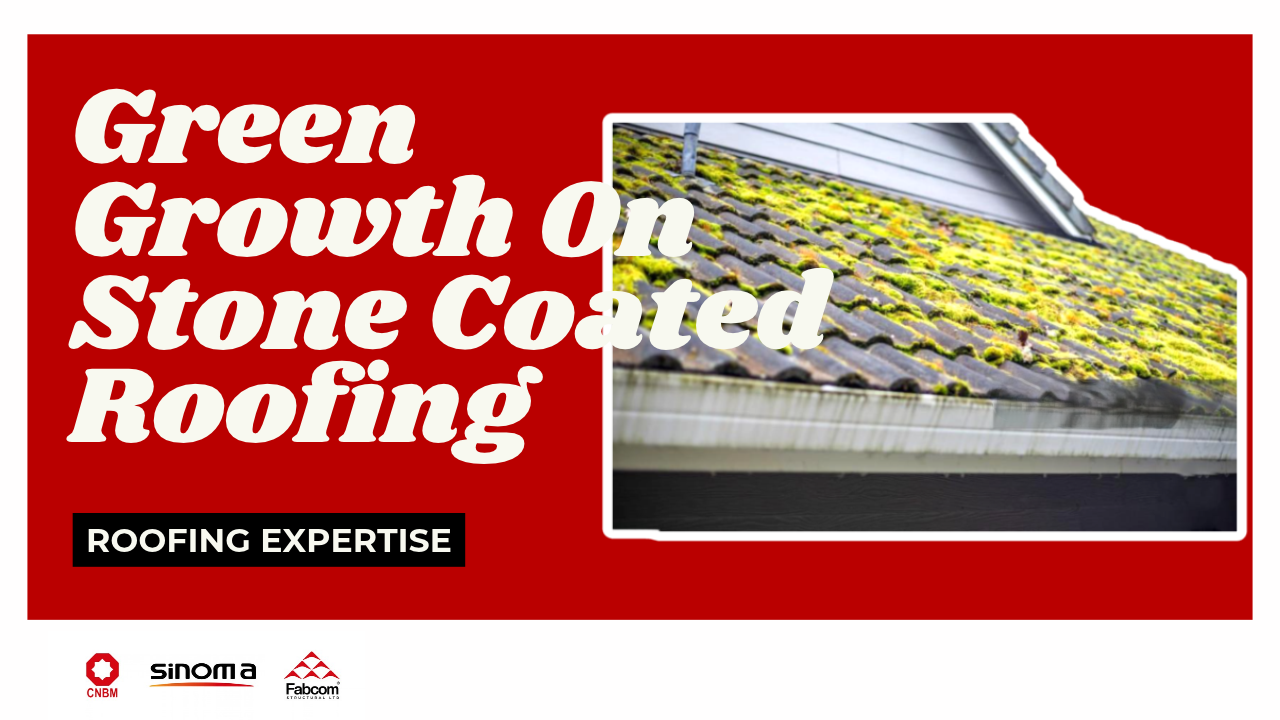
Moss growing on stone coated roofing sheets can concern homeowners who notice green patches spreading across their roof and they are left wondering whether the roof is deteriorating or whether the roofing material is to blame. This concern is understandable, especially if you invested in stone coated roofing because you wanted a roof that would last and stay attractive for years.
Green growth on a roof can be caused by algae, moss, lichen or other surface organisms, while these are not the same thing, identifying what is growing on the roof helps determine how it should be treated.
- What Is the Green Growth on Stone Coated Roofing Sheets?
- What Causes Moss to Grow on the Stone Coated Roofing Sheets?
- Does Moss or Green Algae Damage Stone-Coated Roofing Sheets?
- How to Remove Moss or Green Algae From Stone Coated Roofing Sheets
- How Can You Prevent Green Growth From Returning?
- Does Green Growth Mean the Stone Coated Roofing Sheets Are Fake or Poor Quality?
- Is Stone Coated Roofing Suitable for Homes in Nigeria?
- Frequently Asked Questions About Moss on Stone-Coated Roofing Sheets
- What Should You Do If You Notice Green Growth on Your Roof?
Yes, moss can grow on stone coated roofing sheets under suitable conditions. The presence of green growth does not automatically mean that the roofing sheets are defective, that the protective coating has failed or that the roof is leaking. However, the growth should not be ignored if it is accompanied by trapped debris, blocked drainage, damaged coating or signs of moisture entering the roof structure.

We explain why green growth appears on stone coated roofing sheets, how to assess the problem, what to do about it and how to reduce the chances of it returning. It is intended for Nigerian homeowners, people planning a new building, contractors and anyone considering stone-coated roofing who wants to understand its maintenance requirements before making a purchase.
What Is the Green Growth on Stone Coated Roofing Sheets?
People often describe any green patch on a roof as moss. However, several different organisms can grow on roofing surfaces, and each has different characteristics.
Algae are simple organisms that can form green films or stains on surfaces exposed to moisture. On a roof, algae may appear as greenish discolouration, although some species produce darker streaks.
Moss is a small plant that grows in clumps or cushions. It can develop a thicker, softer appearance than an algae stain, particularly where moisture remains on the roof for extended periods. As moss grows, it can trap leaves, dust and other debris.
Lichen is an organism formed through a close association between a fungus and an alga or a similar photosynthetic partner. It can appear as flat, crusty or irregular patches attached to a roofing surface. Lichen may be grey, green, yellowish or other colours.
For a homeowner, the first step is to observe the affected area from a safe position. Look at the appearance and location of the growth, whether leaves or dirt have accumulated nearby, and whether the affected section remains shaded or damp. A professional inspection may be needed where the material is difficult to identify or the roof shows signs of damage.
What Causes Moss to Grow on the Stone Coated Roofing Sheets?
Stone coated roofing sheets consist of a metal roofing base with a protective coating system and a layer of stone granules. The granules give the roof its characteristic textured finish and appearance.
The stone granules are not the same as loose soil or garden material. However, dust, dirt, leaves and other airborne deposits can accumulate on the roof over time. When these deposits remain damp, they can create conditions that allow organic growth to establish itself.
Remember that dirt and debris, combined with retained moisture and sunlight, can create an environment suitable for organic growth, and such growth does not normally harm its stone coated steel panels by itself.
Several conditions can make green growth more likely.
1. Roof sections that remain shaded
A roof section that receives limited direct sunlight may take longer to dry after rain or overnight condensation. If the surface also collects dust and debris, the conditions may become favourable for algae, moss or lichen.
This can happen where buildings are close together, where large trees overhang the roof or where part of a roof is shaded by another structure. The roof’s orientation, surrounding buildings and the movement of air around it can all influence how quickly moisture evaporates.
If green growth repeatedly appears on one side of a building while the rest of the roof remains relatively clean, compare the amount of shade, airflow and debris accumulation in the affected area. The difference may help explain why the growth is concentrated there.
2. Leaves, dust and other debris accumulating on the roof
Trees can contribute to roof maintenance problems even when their branches do not touch the roofing sheets. Leaves, small twigs, dust and other organic material can settle on the roof and collect in places where rainwater does not wash them away easily.
The problem becomes more noticeable around roof valleys, junctions, gutters and areas behind roof features. Debris in these locations can retain moisture and restrict the movement of water towards the drainage points.
For example, a house surrounded by mature trees may collect leaves along the lower roof edges and inside its gutters. If the gutters are not cleared, water may drain poorly during heavy rainfall. The resulting damp conditions can encourage surface growth and create a separate drainage problem that requires attention.
Removing debris safely and keeping gutters clear helps reduce these conditions. It does not guarantee that organic growth will never occur, but it addresses one of the factors that can encourage it.
3. Poor drainage or areas that remain wet
Roofing systems are designed to direct rainwater towards suitable drainage points. Where water is repeatedly trapped by debris, obstructed gutters or an installation problem, some areas may remain wet for longer than the surrounding roof.
Persistent moisture can encourage organic growth. It may also draw attention to a separate problem, such as an incorrectly formed roof junction, damaged flashing or a blocked drainage route.
It is important to distinguish between a surface that becomes wet during rainfall and an area where water remains trapped after the surrounding roof has dried. The second situation deserves closer inspection because the cause may extend beyond the growth itself.
Do not assume that removing the green patches will correct a drainage problem. If the roof continues to retain water or develops signs of leakage, the underlying cause should be investigated.
4. Local environmental conditions
The likelihood of organic growth depends partly on the conditions around a building. Moisture, shade, airborne deposits, vegetation and the roof’s ability to dry all influence whether growth develops and how quickly it spreads.
This is relevant because buildings experience different combinations of rainfall, humidity, dust, shade and surrounding vegetation. A roof in an exposed location may have different maintenance needs from a roof beneath trees or beside a building that limits airflow.
There is no single maintenance interval that suits every stone coated roof. The condition of the roof, the manufacturer’s recommendations and the environment around the building should guide the maintenance schedule.

Does Moss or Green Algae Damage Stone-Coated Roofing Sheets?
The appearance of green growth can be worrying, but it should be assessed alongside the condition of the roofing material.
A small patch of surface algae or lichen does not automatically mean that the roof has lost its protective properties. Organic growth can be primarily a cosmetic problem, particularly where the coating remains intact and the roof drains properly.
However, a thick layer of moss or a persistent accumulation of debris can create maintenance concerns. Moss can retain moisture and trap material against the roof surface. Growth may also make inspection more difficult by concealing damaged areas, loose fittings or deterioration that would otherwise be easier to see.
Have this at the back of your mind: a roof can have green staining without leaking. Equally, a roof with little visible growth can have damaged flashing, loose fixings, or a poorly sealed junction.
When inspecting a roof with green patches, look for the following signs:
- Changes in the roofing finish. Missing granules, exposed metal, unusual corrosion or areas that appear physically damaged deserve closer attention.
- Drainage problems. Blocked gutters, accumulated debris and water that does not drain as expected should be investigated.
- Signs of leakage. Water stains on ceilings, damp roof timbers or moisture entering the building should be assessed independently of the surface growth.
- Growth that keeps returning. Repeated growth in the same location may indicate persistent shade, moisture retention or an unresolved drainage issue.
If the growth is limited to the surface and the roof otherwise appears sound, cleaning and routine maintenance may be sufficient. If there is corrosion, physical damage or water entering the building, the affected area needs a proper inspection before anyone decides that cleaning alone will solve the problem.
How to Remove Moss or Green Algae From Stone Coated Roofing Sheets
The correct cleaning method depends on the type of growth, the condition of the roof and the manufacturer’s instructions. The main objective is to remove or treat the growth without damaging the stone granules, protective coating, metal base or other roofing components.
Stone-coated roofing should not be cleaned as though it were an ordinary concrete floor. An aggressive cleaning method may remove the visible stain while damaging the finish that protects the roofing material.
Step 1: Assess the affected area before cleaning
Start by identifying where the growth is concentrated and whether there is any visible damage. Check whether the patches are isolated or widespread, whether leaves and dirt have accumulated nearby, and whether the affected area remains shaded.
If the roof has visible corrosion, loose panels, damaged flashing or signs of leakage, arrange an inspection before proceeding with cleaning. Removing the growth without investigating these issues may leave the underlying problem unresolved.
Do not climb onto the roof simply to get a closer look. Stone coated roofing can be slippery, and its textured finish does not make it safe to walk on without the appropriate precautions and knowledge of the roofing system. A trained professional can inspect areas that cannot be assessed safely from the ground.
Step 2: Confirm which cleaning products are compatible with the roof
Do not select a chemical simply because it is advertised as a moss remover or algae cleaner. Some products are designed for particular roofing materials and may be unsuitable for another surface or coating system.
Check the roofing manufacturer’s maintenance instructions or contact the supplier for an approved cleaning method. The instructions should identify suitable products, application requirements, any necessary protective measures and materials that should be avoided.
For example, Fabcom Structural; advises against copper-based cleaning products for its stone coated steel panels because copper can contribute to corrosion through a galvanic reaction. It also warns that iron-based products can cause rust staining. These are product-specific technical recommendations, but they demonstrate why the chemical ingredients matter.
Do not assume that a product is safe for your roof simply because another homeowner used it successfully on a different roofing brand.
Step 3: Use a cleaning method that protects the stone-coated finish
The aim is to treat or remove the organic growth without forcibly stripping the stone granules or damaging the protective surface.
Depending on the manufacturer’s instructions, cleaning may involve a compatible roof-cleaning solution followed by a controlled, low-pressure rinse. The appropriate method will vary with the product and the condition of the roof.
Avoid using stiff brushes, abrasive tools or aggressive scrubbing to remove stubborn patches. These methods can disturb the stone granules and affect the finish. High-pressure washing can also damage the roofing surface or force water into roof junctions, particularly when the water is directed against overlaps or beneath the edges of panels.
Step 4: Protect the building and surrounding area
Cleaning products and runoff can affect plants, painted surfaces, gutters and other materials around the house. Before treatment, the person carrying out the work should check the product instructions and take appropriate precautions to protect the surrounding area.
Where rainwater is collected from the roof for household use, the collection system should be disconnected or otherwise managed according to the cleaning product and roofing manufacturer’s instructions. The water should not be returned to the collection system until the specified flushing and safety requirements have been met.
Roof cleaning also creates a serious fall risk. A wet roof can be slippery, and cleaning chemicals may make the surface even more hazardous. Work at height should be left to appropriately trained people with suitable access equipment and fall protection.
For homeowners, the safest approach is to agree on the cleaning method before work begins rather than allowing a cleaner to experiment with chemicals or equipment on the roof.
Step 5: Check the roof after cleaning
Once the cleaning process is complete and the roof can be inspected safely, check whether the visible growth has been removed and whether there are signs of damage or drainage problems.
If the green patches remain, do not immediately repeat the process with a stronger chemical or more forceful washing. Some types of growth require a different treatment, and certain stains may not disappear completely after one cleaning.
If the growth returns in the same location, investigate the environmental conditions and any drainage issues that may be encouraging it. Repeated cleaning without addressing the underlying conditions can increase maintenance costs without resolving the cause.
How Can You Prevent Green Growth From Returning?
There is no responsible way to promise that stone coated roofing sheets will never develop moss, algae or lichen. The practical goal is to reduce the conditions that encourage growth and identify maintenance problems before they become more difficult to manage.
Keep the roof and gutters clear of debris
Leaves, twigs and accumulated dirt should not be allowed to remain in roof valleys, around junctions or inside gutters for extended periods. Debris can retain moisture and obstruct the flow of rainwater.
Arrange periodic inspections, particularly after a season of heavy rainfall or when nearby trees shed a significant amount of leaves. Any removal work should be carried out safely and in accordance with the roofing manufacturer’s instructions.
Manage overhanging vegetation
Branches that hang close to the roof can contribute leaves and shade. Where appropriate, trimming vegetation can reduce the amount of debris reaching the roof and improve airflow around affected areas.
This does not mean that every tree near a house should be removed. The decision should take into account the building, the condition of the trees and the amount of shade or debris they create. The objective is to reduce avoidable maintenance problems while preserving the surrounding landscape.
Investigate recurring damp areas
If the same roof section repeatedly develops green growth, check whether it remains shaded, collects debris or drains poorly. A recurring problem may need more than another round of cleaning.
Where the cause appears to involve a roof junction, gutter, flashing or installation detail, have the relevant component inspected. Correcting the source of persistent moisture is more useful than repeatedly treating the visible growth alone.
Follow the maintenance guidance for the specific roofing product
Stone coated roofing systems can differ in their materials, coatings and approved cleaning methods. A general maintenance article can help you understand the problem, but the instructions for the actual product should guide the work.
Ask the supplier for the applicable maintenance documentation and warranty terms. In particular, clarify which cleaning products are permitted, which methods are prohibited and whether particular treatments could affect the warranty. This will give you a clear reference point if green growth develops later and help prevent avoidable damage caused by unsuitable cleaning.
Does Green Growth Mean the Stone Coated Roofing Sheets Are Fake or Poor Quality?
No. Green growth alone is not reliable evidence that stone-coated roofing sheets are counterfeit, poorly manufactured or defective.
Organic growth can occur on different roofing materials when environmental conditions support it. Its presence may be influenced by moisture, shade, accumulated debris and the maintenance of the building. The appearance of a roof should therefore be considered alongside its material condition, installation and maintenance history.
However, this does not mean that product quality is irrelevant. You should still assess the roofing material, the protective coating system, the manufacturer’s specifications, the quality of installation and the support available from the supplier.
If green growth appears on a relatively new roof, document the affected areas and contact the supplier before applying any cleaning treatment. Provide photographs taken from a safe position, explain when the growth was first noticed and identify any other changes in the roofing finish.
The supplier may need to determine whether the issue is ordinary surface growth, contamination, a maintenance problem or something that warrants a closer technical inspection. Applying an unsuitable chemical before this assessment may complicate the investigation or affect the finish, so always ask the roofing supplier about maintenance requirements.
Is Stone Coated Roofing Suitable for Homes in Nigeria?
Stone coated roofing sheets remain an option for homeowners who want a textured roofing finish and a metal-based roofing system. Whether they are suitable for a particular building depends on the project requirements, product specifications, installation quality, budget and willingness to carry out routine maintenance.
The environmental conditions vary considerably by location and building here. A property with substantial tree cover and shaded roof sections may face different maintenance needs from a building in an open, well-ventilated location. Local rainfall patterns, surrounding vegetation, dust accumulation and drainage arrangements also affect the conditions on the roof.
For this reason, you should look beyond the initial purchase price when comparing roofing options. Ask about the maintenance, the correct cleaning procedure, the availability of replacement components and the warranty terms. If you are comparing different roofing profiles, consider their appearance, installation requirements, suitability for the building and the manufacturer’s care recommendations.
For homeowners who already have stone coated roofing, the presence of green growth is a reason to assess the roof, not an automatic reason to replace it. Start by identifying the growth, checking for signs of damage and establishing the appropriate cleaning method.

Frequently Asked Questions About Moss on Stone-Coated Roofing Sheets
Can moss grow on new stone coated roofing sheets?
Yes, organic growth can develop on a new roof if environmental conditions support it, although the timing and extent depend on the surroundings and maintenance. Green growth on a new roof does not automatically indicate a manufacturing defect. If it appears soon after installation, document it and contact the supplier before cleaning the surface.
Does green algae cause stone coated roofing to leak?
Green algae or surface staining does not automatically cause a roof to leak. Leakage may result from damaged roofing components, faulty installation, defective flashing, loose fixings or drainage problems. If you notice green growth alongside damp ceilings or water entering the building, arrange an inspection to establish the cause.
Can I use bleach to remove moss from stone coated roofing sheets?
Do not apply household bleach without confirming that it is compatible with the specific roofing product and permitted by the manufacturer’s maintenance instructions. Cleaning chemicals can affect the roofing finish, metal components, plants and surrounding surfaces. Use an approved treatment and follow its application and safety requirements.
Can pressure washing remove green growth from stone coated roofing?
Pressure washing may remove visible growth, but excessive pressure or an unsuitable spray direction can damage the stone-coated finish or force water beneath roofing overlaps. Do not assume that a domestic pressure washer is safe for this material. Follow the manufacturer’s cleaning guidance and use a suitably trained professional where necessary.
Will moss or algae return after cleaning?
It can return if the conditions that supported the growth remain. Shaded areas, persistent moisture and accumulated debris may continue to encourage growth after treatment. Cleaning can improve the appearance of the roof, but reducing the contributing conditions is important if you want to limit recurrence.
Does green growth mean I need to replace my roof?
Not necessarily. If the growth is superficial and the roofing material remains in good condition, appropriate cleaning and routine maintenance may be sufficient. Replacement decisions should be based on the actual condition of the roofing system, including any corrosion, physical damage, persistent leakage or other evidence of deterioration.
What Should You Do If You Notice Green Growth on Your Roof?
If you have noticed green patches on your stone coated roofing sheets, begin by assessing the problem rather than assuming that the roofing material has low quality. Green growth can develop under suitable environmental conditions, and its presence alone does not establish whether the roof has been damaged.
Check for accumulated debris, persistent dampness, blocked gutters and visible changes in the roofing finish. If the roof is otherwise sound, the appropriate cleaning method may resolve the visible problem. If there is corrosion, leakage or recurring growth in the same location, investigate the underlying cause before deciding what work is required.
Use cleaning methods approved for the specific roofing product. Avoid aggressive scrubbing, unsuitable chemicals and uncontrolled pressure washing that could damage the stone granules or protective coating. Work at height should be handled by trained professionals with the appropriate safety equipment.
If you are considering stone coated roofing, understand the maintenance, ask the supplier how to care for the product, what cleaning methods are permitted and which warranty conditions apply.
If you already have a stone coated roof and are unsure about the green growth you have noticed, contact your roofing supplier with photographs and details of the affected area. This will help establish the appropriate next step before cleaning or repairs begin.
If you are considering Fabcom Structural stone coated roofing tiles, you can chat with our Fabcom Structural sales team or send a message by clicking the WhatsApp button.
Your message has been sent
Our team will contact you shortly within 24 hours with your quote and more information about your roofing needs. Thank you